



|
Quantity
|
Out of stock
|
||
|
|
|||
|
|
|||
Lanterns are sources of light that can be used in various situations, for example, for lighting a house, street, camping, hiking, or emergency cases. Lanterns come in different types by shape, size, power source, lamp type, and degree of protection from moisture and dust. The light source is an element of the lantern that emits light when electric current or another type of energy is supplied. There are different types of light sources for lanterns:
• Incandescent lamps are the oldest and simplest type of light source, consisting of a filament of refractory metal (usually tungsten) that heats up to a high temperature in a glass bulb with an inert gas. Incandescent lamps have low efficiency (coefficient of performance), meaning a lot of energy is spent on heating rather than lighting. In addition, they have a short service life (about 1000 hours) and easily break during impacts or vibration. Incandescent lamps are used in cheap and simple lanterns for home or household use.
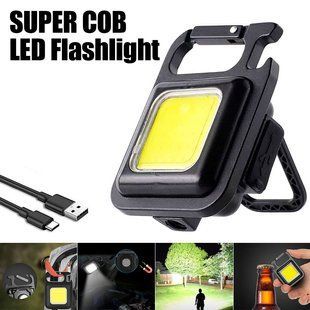
• Light-emitting diodes (LEDs) are semiconductor devices that emit light when an electric current passes through them. LEDs have high efficiency (up to 90%), meaning almost all energy goes to lighting, not heating. In addition, they have a long service life (up to 100,000 hours) and are resistant to impacts and vibration. LEDs can be of different colors and brightnesses, as well as have different shapes and sizes. LEDs are used in modern lanterns for various purposes: from everyday to professional.
• Gas-discharge lamps are light sources in which light is generated due to an electric discharge in a gas or mixture of gases. Gas-discharge lamps are used in powerful lanterns such as spotlights, car headlights, or street lighting. Gas-discharge lamps have a number of advantages over other types of lamps, such as incandescent or fluorescent. Gas-discharge lamps have high luminous efficiency, long service life, good color rendering, and the ability to adjust light brightness. However, gas-discharge lamps also have some disadvantages, such as high cost, complexity of design and control, high supply voltage, and harmful environmental impact due to the content of mercury or other toxic substances. Lanterns can be divided into the following categories:
• Table lanterns are small lanterns that can be placed on a table or shelf and used for reading, handicrafts, or other activities. They usually run on batteries or mains and have low power. Table lanterns can have a swivel head, adjustable brightness, or light color temperature. • Handheld lanterns are lanterns that can be held in the hand or attached to clothing or a backpack. They are suitable for lighting the path in the dark, searching for objects, or signaling. Handheld lanterns can be of different sizes and shapes, from compact pocket-sized to large spotlight ones. They can have different types of lamps: light-emitting diode (LED), halogen, xenon, or laser. Handheld lanterns can run on batteries, accumulators, or dynamo.
• Headlamps are lanterns that are attached to the head using a strap or clip and illuminate what the user is looking at. They are convenient for those who need to free their hands for work or sports. Headlamps have an LED lamp and run on batteries or accumulators. Some headlamps can have additional functions such as strobe mode, red light, or motion sensor. • Solar lanterns are lanterns that are charged from solar energy using a built-in solar panel. They are environmentally friendly and economical because they do not require battery replacement or connection to the mains. Solar lanterns can be both table and handheld, as well as have different shapes and colors. Solar lanterns are suitable for use in the garden, at the cottage, or on a hike.
• Waterproof lanterns are lanterns that are protected from moisture and dust according to the IP (Ingress Protection) standard. They can be used in rain, snow, or fog, as well as underwater at shallow depths. Waterproof lanterns can be both handheld and head-mounted, as well as have different lighting modes and power. Handheld lanterns are convenient for illuminating distant objects or for working in the dark when you need to free your hands. Headlamps are suitable for active activities such as hiking, cycling, or scuba diving. They allow directing the light where the user is looking and adjusting its brightness and angle. Waterproof lanterns can also have different types of power sources, such as batteries, accumulators, or solar panels. When choosing a waterproof lantern, you should consider its weight, size, range and duration of lighting, as well as the degree of protection from moisture and dust.
• Camping lamps are a convenient and practical accessory for nature lovers. They allow illuminating a tent, table, path, or any other place where light is needed. Camping lamps come in different types and sizes, depending on the power source, brightness, design, and functionality. Some lamps run on batteries or accumulators, others on solar batteries or kerosene. There are lamps with brightness adjustment, signaling modes, moisture protection, and other useful options. When choosing a camping lamp, you need to consider several factors: purpose of use, installation location, operating time, weight, and dimensions. It is also important to pay attention to the quality of materials, reliability of fastenings, and safety of operation. Camping lamps are not only a source of light but also an element of coziness and comfort during hikes and picnics.