


|
Quantity
|
Out of stock
|
||
|
|
|||
|
|
|||
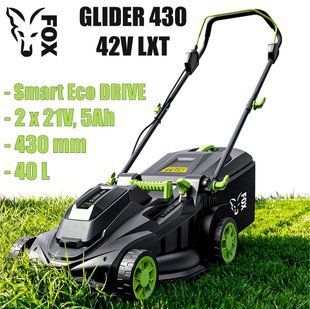
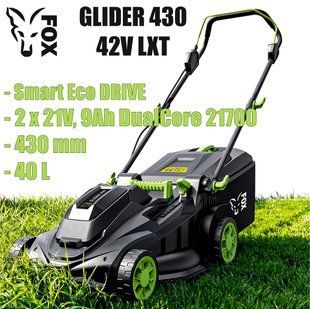
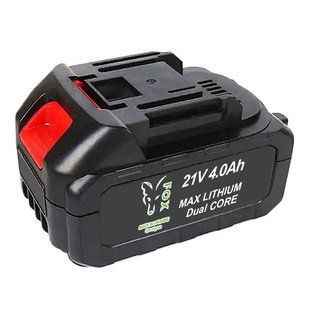
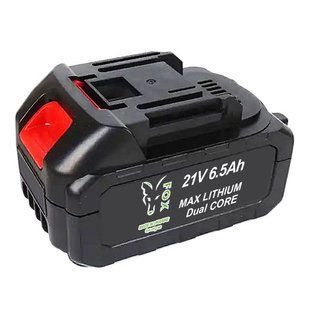
In the modern world, lawn care is becoming not only a necessity but also a pleasant hobby, especially when using innovative equipment. Battery-powered lawn mowers, such as models with batteries compatible with Makita, featuring a large cutting width starting from 40 cm, 6 levels of mowing height adjustment, a powerful brushless motor, and operation from two 21 V batteries (equivalent to 18V X2 LXT systems, often labeled as 20-21V max for peak power), represent the ideal combination of convenience, efficiency, and environmental friendliness. These devices are gaining popularity among amateur gardeners and professionals thanks to their mobility and absence of harmful emissions. In this article, we will thoroughly examine why such lawn mowers are an excellent choice for maintaining medium and small plots, based on their technical specifications and real advantages.
General advantages of battery-powered lawn mowers compared to traditional models
Battery-powered lawn mowers, unlike gasoline or corded electric ones, offer freedom of movement without cable restrictions or the need for fuel. They do not produce exhaust gases, making them environmentally friendly and suitable for use in residential areas where minimizing air pollution is important. According to user reviews, such models allow mowing grass without noise and the smell of gasoline, which is especially appreciated in the morning hours to avoid disturbing neighbors. Additionally, the absence of an internal combustion engine means minimal maintenance: no need to change oil, spark plugs, or air filters. This saves time and money, making operation simpler and cheaper in the long term.
Compared to gasoline counterparts, battery-powered lawn mowers start more easily—just insert the batteries and press the button. They are also quieter: the noise level usually does not exceed 80-90 dB, while gasoline ones can reach 100 dB or more. For corded electric models, battery versions excel in mobility: no risk of cutting the cable or searching for an outlet, which is ideal for areas without nearby electricity.