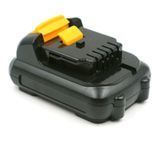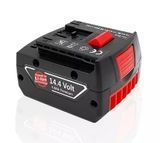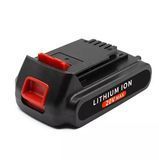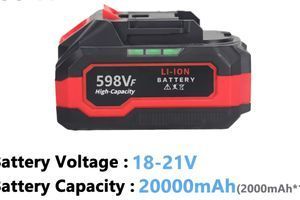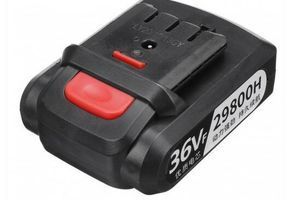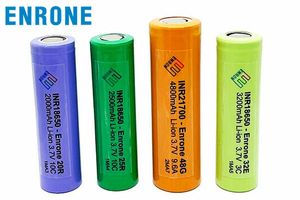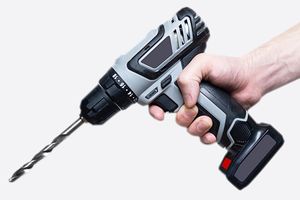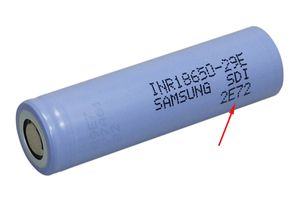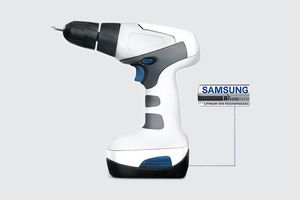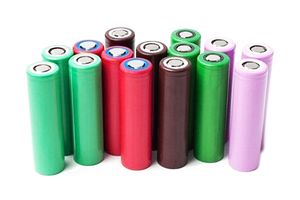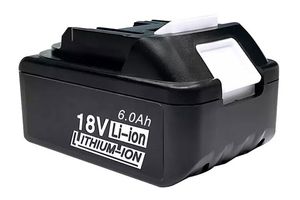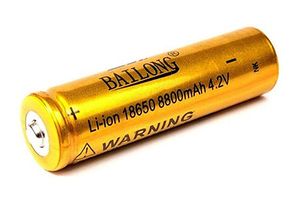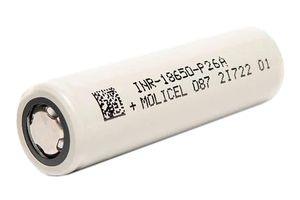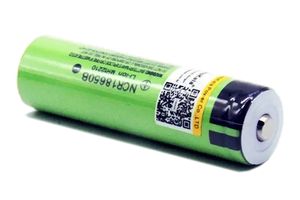
In the modern world, power tools have become an integral part of life for both professionals and amateurs. 18-21 V batteries, often used in brands like Makita, DeWalt, Milwaukee, and others, provide mobility and power. However, many users notice that these batteries lose capacity over time, requiring frequent replacement. In this article, we will thoroughly examine how quickly standard lithium-ion batteries for tools age, conduct an analysis based on 18-21 V models, identify the causes of rapid wear, and provide practical recommendations on storage and extending their service life. The information is based on data from manufacturers, scientific research, and user reviews.
The Rate of Aging for 18-21 V Batteries: General Overview
Lithium-ion batteries (Li-ion), which dominate the 18-21 V segment, have a limited service life determined by the number of charge/discharge cycles and calendar age. On average, such batteries retain 80% of their original capacity after 500-2000 cycles, depending on operating conditions. One cycle is a full discharge and charge, but in reality, cycles are often partial, which extends life.
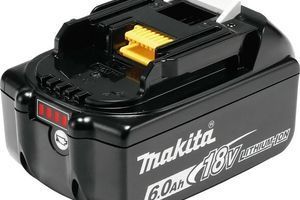
For 18 V batteries, typical for tools like drills, saws, and lawn mowers, the average service life is 2-5 years with moderate use. For example, DeWalt specifies 2-3 years or 300-500 cycles, after which capacity noticeably drops. Milwaukee M18 batteries can last 7-10 years, but with gradual performance degradation. In user reviews, Makita 18 V batteries sometimes last 10-18 years, but with a loss of up to 40% capacity after 1000 cycles.
If the battery is used daily (e.g., on a construction site), its life will shorten to 3-5 years with 800-2000 cycles. With weekly use—up to 15-30 years. However, degradation begins immediately after production: batteries lose capacity even on the shelf due to self-discharge and chemical reactions. Compared to NiCd (nickel-cadmium) batteries, Li-ion age faster but have higher energy density: NiCd withstand up to 1000 cycles, but Li-ion—300-500 on average.
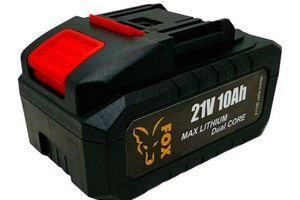
Analysis shows that for 21 V systems (equivalent to 18V X2 in Makita), degradation is similar but may be faster due to increased power and loads. Overall, after 1000 cycles, capacity can drop by 40%.
Causes of Rapid Wear in 18-21 V Batteries
Degradation of Li-ion batteries is an inevitable process, but it accelerates under the influence of external and internal factors. The main causes include chemical reactions, mechanical damage, and improper operation.
Chemical and Thermal Factors
High temperatures are the main enemy. At temperatures above 60°C, chemical reactions in the battery accelerate, leading to electrolyte decomposition and the formation of an SEI layer (solid electrolyte interface) on the anode, which reduces capacity. For example, storage at 40°C can double the degradation rate compared to 25°C. Overheating during operation (from intensive use) causes cracks in electrodes and lithium plating—deposition of metallic lithium on the anode, leading to short circuits.
Calendar aging occurs even without use: internal reactions cause lithium loss and electrode degradation. Storage at high charge (above 4.10 V/cell) enhances electrolyte oxidation on the cathode.
Cyclic and Operational Causes
Each charge/discharge cycle causes physical changes: electrode expansion/contraction leads to cracks and loss of active material. Deep discharges (below 20-30%) and overcharges accelerate this. In 18-21 V systems, where cell voltage is about 3.6-4.2 V, exceeding 4.1 V at high temperatures leads to sudden capacity loss.
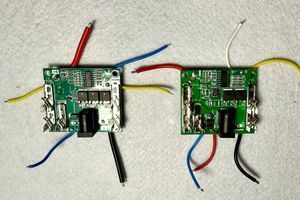
Low-quality cells or BMS (battery management system) in cheap analogs cause uneven charging, leading to rapid wear.
Mechanical damage, moisture, or dust also accelerate degradation by causing corrosion.
Other Factors
High discharge currents (in powerful tools) increase mechanical stresses. Humidity and mechanical impacts can damage the casing, allowing moisture penetration. As a result, 18-21 V batteries can lose 40% capacity in 3-5 years with intensive use.
How to Properly Store 18-21 V Batteries
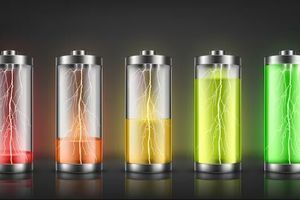
Proper storage is key to minimizing degradation. It is recommended to store batteries at 40-60% charge (2-3 LEDs on the indicator) to avoid SEI growth and oxidation. Optimal temperature is room temperature (15-25°C), in a dry place without direct sunlight. Avoid humidity to prevent terminal corrosion.
For long-term storage (more than a month), charge to 50% and store in a cool place (not in the refrigerator to avoid condensation). Do not leave on charge constantly—this can lead to overcharge. If batteries are of different types (Li-ion, AGM), store them separately. Cover terminals with electrical tape for safety.
Tips for Extending Battery Life
To maximize the life of 18-21 V batteries, follow these recommendations:
- Avoid Extreme Temperatures: Do not use or store above 60°C or below -20°C. In heat, let the battery cool before charging.
- Partial Cycles: Charge at 20-30% discharge, avoid full discharge. This reduces stress.
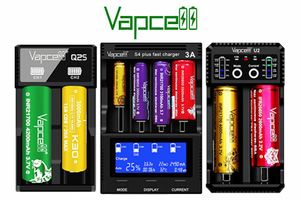
- Use Original Chargers: They have protection against overcharge and cell balancing.
- Monitor Condition: Check capacity periodically. If the battery heats up or loses charge quickly, replace it.
- Store Properly: As mentioned above, 50% charge for long storage.
- Avoid Damage: Do not drop, protect from moisture and dust.
By following these rules, you can double the service life—to 5-10 years.
Conclusion
Standard 18-21 V tool batteries age relatively quickly—2-5 years on average, due to chemical processes, temperatures, and cycles. However, proper storage and operation can significantly extend their life. Choose quality brands, monitor conditions, and do not skimp on care—this will save money in the long term. If you notice signs of wear (quick discharge, heating), timely replacement will prevent downtime.